Why Nine More Minutes Can Ruin Your Morning
You know the feeling.
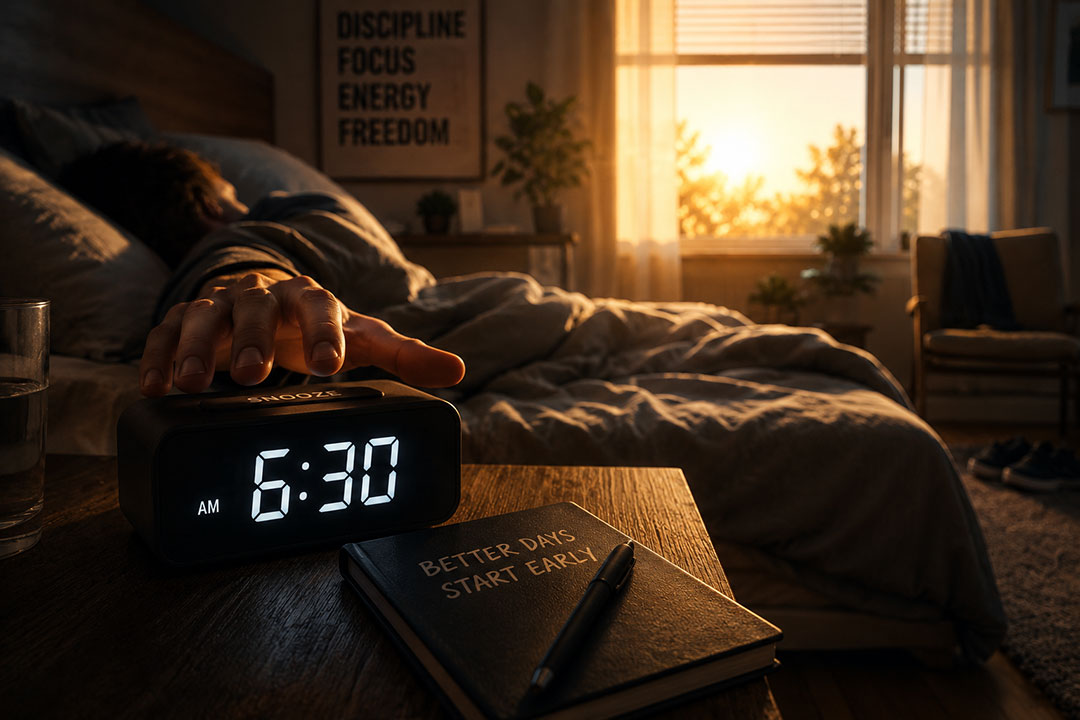
Your alarm goes off. You crack one eye open, see it's 6:30 AM, and decide that nine more minutes couldn't possibly hurt.
You hit the snooze button.
Nine minutes later, you feel even more tired than you did before.
It seems backward. Shouldn't more sleep make you feel better?
Not necessarily.
The problem isn't the extra minutes. It's what your brain is trying to do during those extra minutes.
Your Brain Doesn't Know You're "Just Resting"
When your alarm first wakes you up, your brain begins transitioning from sleep to wakefulness.
If you stay awake, that process continues naturally.
When you hit snooze, however, your brain gets mixed signals. Instead of continuing to wake up, it tries to fall asleep again.
Sleep isn't an on-and-off switch. It's a series of repeating stages that your brain cycles through every night.
Even during a short snooze, your brain may begin entering the early stages of another sleep cycle.
Then your alarm interrupts it all over again.
Now your brain has to start the waking process twice.
Meet Sleep Inertia
Scientists have a name for that groggy, sluggish feeling after waking.
It's called sleep inertia .
Sleep inertia is your brain's temporary period of reduced alertness while it transitions from sleep to full wakefulness.
During this time, your reaction speed slows, your memory is less effective, and your decision-making isn't at its best.
Normally, this fog lifts within 15 to 30 minutes.
But repeatedly hitting snooze can restart the process, making that grogginess linger even longer.
Ironically, the extra sleep you were hoping would make you feel refreshed often has the opposite effect.
Those Extra Nine Minutes Aren't Quality Sleep
Many alarm clocks default to a nine-minute snooze interval.
That number wasn't chosen because it's the ideal amount of sleep.
It became popular decades ago because of mechanical limitations in early digital alarm clocks.
Nine minutes isn't enough time to complete a meaningful sleep cycle.
Instead, it's often just enough time for your brain to begin shutting down again before being forced awake.
Imagine stopping a movie every five minutes and trying to enjoy the story.
Your brain feels something similar every time you repeatedly interrupt the waking process.
The Better Cheat Code
Instead of giving yourself multiple wake-up calls, focus on making the first one count.
Try this simple routine:
- Put your alarm across the room so you have to stand up.
- Open the curtains immediately.
- Step outside for a few minutes if possible.
- Drink a glass of water.
- Move your body, even if it's only a short stretch.
- Save the snooze button for special occasions, not every morning.
These small actions tell your brain that the day has officially started and help reduce sleep inertia much faster than another nine minutes under the covers.
Pair It With Morning Sunlight
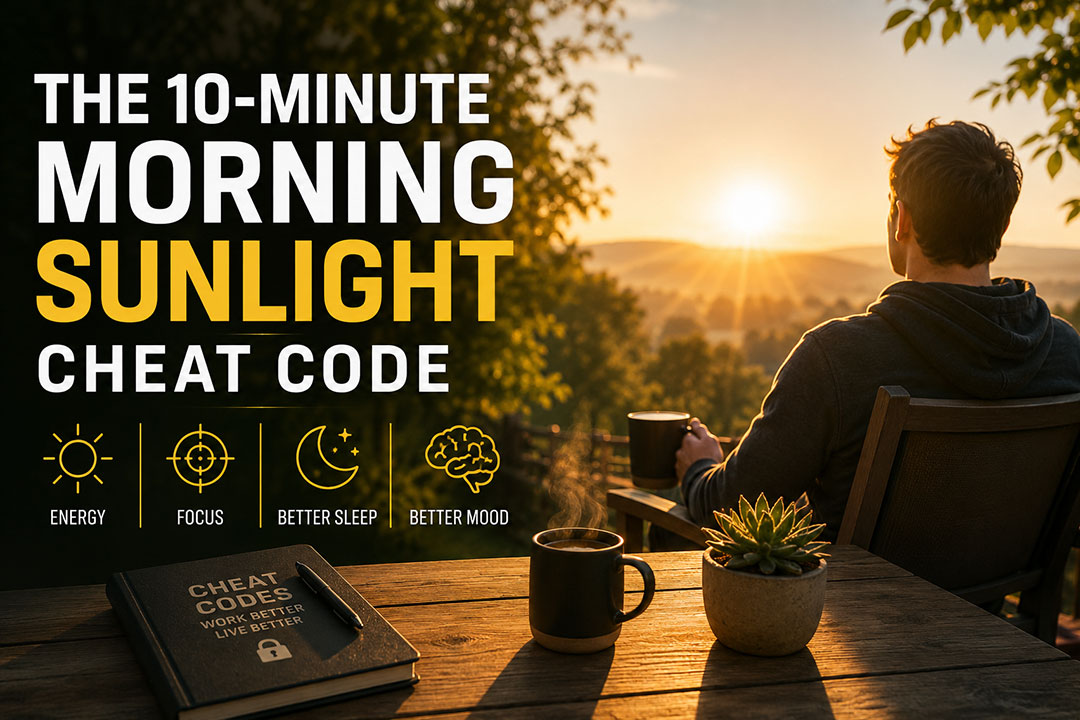
One of the best ways to shake off morning grogginess is natural sunlight.
Stepping outside for just 10 to 20 minutes shortly after waking helps reinforce your body's internal clock, increases alertness, and sets you up for better sleep later that night.
If you haven't already, check out our article, The 10-Minute Morning Sunlight Cheat Code . The two habits work surprisingly well together.
What Your Body Is Telling You
The snooze button feels like a gift, but your body sees it differently.
Each time you hit snooze, you're asking your brain to begin falling asleep again, only to interrupt that process a few minutes later. Instead of feeling more rested, you end up extending the groggy transition between sleeping and being fully awake.
Your body isn't asking for nine more minutes.
It's asking for a consistent wake-up routine.
Tomorrow morning, when your alarm goes off, resist the temptation to negotiate. Get out of bed, open the curtains, step into the morning light, and let your body do what it was designed to do.
Sometimes the simplest cheat code is trusting the signals your body has been sending you all along.
Direct Answer / Executive Summary
Why does hitting the snooze button make you feel more tired? Learn the science behind sleep inertia and discover a simple morning routine that helps you wake up feeling energized instead of groggy.
Key Takeaways
- ▪ You know the feeling.
- ▪ Your alarm goes off.
- ▪ You hit the snooze button.